Brand Activation Events in India: The Complete 2026 Guide
Brand activation events are live marketing experiences that bring a brand directly to its consumers — generating awareness, trial, and emotional loyalty in ways that digital advertising simply cannot replicate. In India’s booming consumer economy, on-ground brand activation has become one of the highest-ROI marketing strategies for companies of every size. Whether you are a startup launching a product in a Chandigarh mall or a multinational running a pan-India roadshow, a well-executed brand activation event creates authentic connections that drive measurable business results.
At Raindrop Events, we have spent years designing and executing brand activation events for leading names including Axis Bank, Toyota, Reliance, Kotak Mahindra, Royal Stag, Tata, and Shopper’s Stop — across Delhi NCR, Chandigarh, Mumbai, and beyond. This guide shares everything you need to know about brand activation in India: what it is, why it works, what types exist, and how to choose the right agency partner.
📊 India Market Insight
India’s events & experiential marketing industry is projected to reach ₹10,000 crore by 2026, driven by the rise of aspirational urban consumers, 800+ operational malls, and increasing brand competition in FMCG, automotive, BFSI, and retail sectors. (Source: EEMA — Event & Entertainment Management Association of India)
What Is Brand Activation? A Clear Definition
Put simply, brand activation is the process of making your brand come alive in the real world. It moves consumers from passive awareness to active engagement — and ultimately, to purchase and advocacy. Unlike traditional advertising, which broadcasts a message, brand activation invites the consumer to experience the brand firsthand.
As a result, brand activation campaigns consistently outperform standard advertising on key metrics such as consumer recall, trial rates, and net promoter scores (NPS). Furthermore, in a country like India — where trust and personal interaction are central to purchase decisions — on-ground activation holds a uniquely powerful place in the marketing mix.
Types of Brand Activation Events in India
Not all brand activation events are alike. In addition, different formats suit different brand objectives, budgets, and audiences. Below is a strategic overview of the most effective types used in the Indian market today:
| Activation Type | Best For | Key Benefit |
|---|---|---|
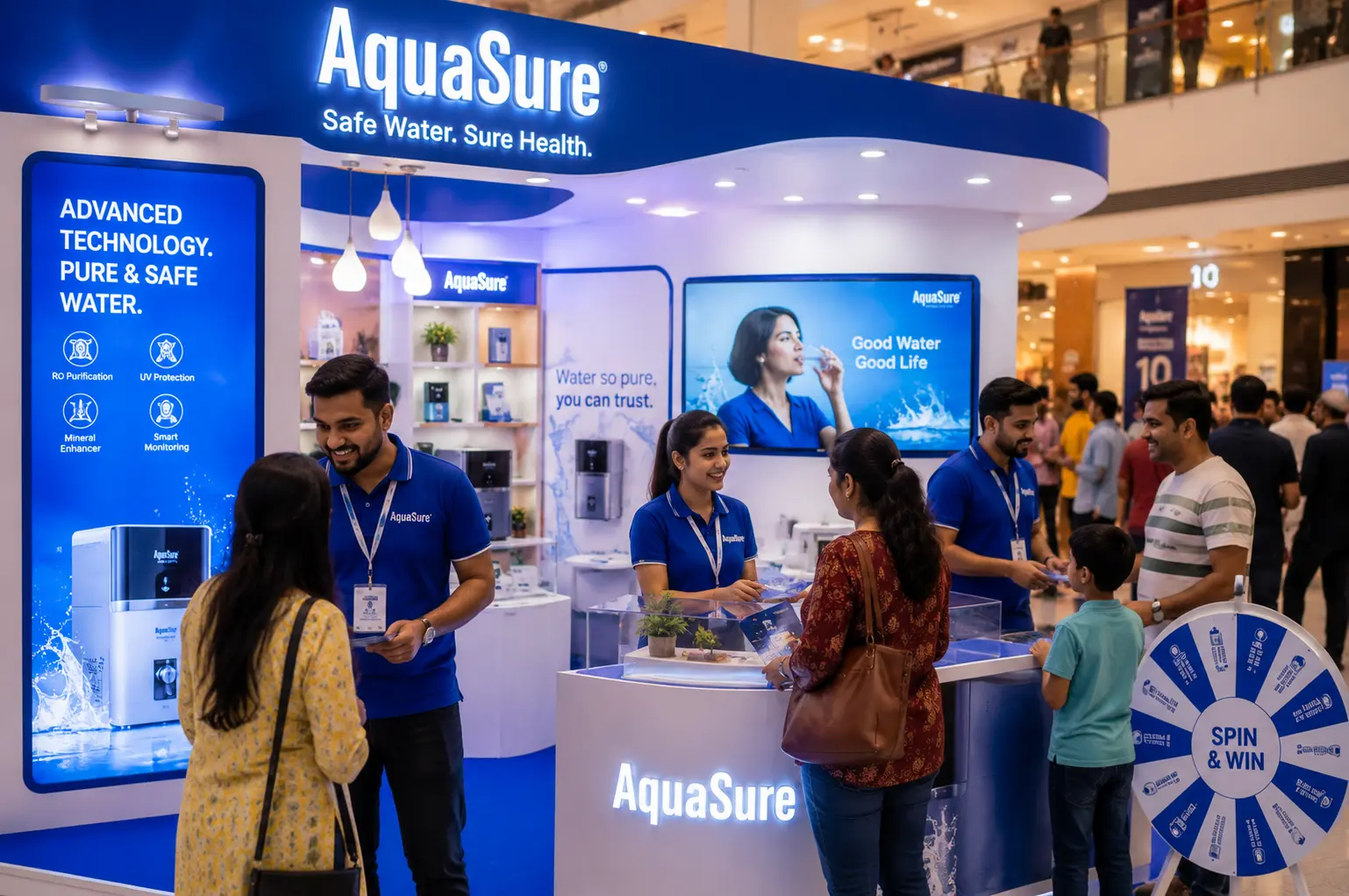
| Mall Activation | FMCG, Retail, BFSI, Automobiles | High footfall, targeted demographics |
| BTL Roadshows | Pan-India launches, Tier-2 reach | Geographic coverage, sampling at scale |
| Product Launch Events | New product introductions | Media buzz, influencer activation |
| Experiential Pop-Ups | Lifestyle, D2C, Tech brands | Deep emotional engagement, social shares |
| In-Store Activations | Retail, supermarkets, brand stores | Point-of-sale conversion, trial |
| Corporate Brand Events | B2B, internal brand building | Stakeholder engagement, PR value |
Why Brand Activation Works Especially Well in India
India presents a uniquely compelling environment for on-ground brand activation. First and foremost, the country’s sheer population density means that a single well-placed mall activation in Delhi, Mumbai, or Bengaluru can reach thousands of qualified consumers in a single day. Moreover, India’s cultural diversity — spanning language, religion, region, and income group — means that direct, face-to-face brand experiences often outperform blanket digital messaging.
Additionally, India’s youthful demographics are a major driver. With over 65% of the population under the age of 35, Indian consumers are increasingly experience-driven rather than ad-driven. They respond to interactive brand activations, gamified product demos, and shareable on-ground experiences that they can post on Instagram and YouTube.
⚠️ Key Insight for Marketers
According to research by Dentsu India, consumers who participate in an experiential brand activation are 5x more likely to purchase the brand’s product compared to those who only see a digital or TV advertisement. Furthermore, 74% of event participants share their experience on social media, amplifying your brand activation’s organic reach significantly.
How to Plan a Successful Brand Activation Event: Step-by-Step
Planning a successful brand activation event requires strategic thinking well before the execution day. Here is the proven process Raindrop Events follows for every campaign:
Define Your Brand Activation Objective
Is your goal product trial, consumer data collection, brand awareness, or sales conversion? Each objective shapes a different activation strategy, format, and KPI framework.
Choose the Right Venue & Format
Mall activations, market roadshows, residential society events, corporate atria — the venue must match your target audience’s lifestyle and footfall patterns.
Design the Brand Experience
Creative stall design, fabrication, props, interactive technology, brand ambassador training, and sampling kits must all align with brand guidelines and consumer expectations.
Obtain Permissions & Manage Logistics
Pan-India brand activations require local authority permissions, mall management NOCs, road permits for roadshows, and supply chain logistics. Raindrop Events manages all of this in-house.
Measure, Report & Optimise
Post-activation, robust data collection — footfalls, leads, samples distributed, social impressions, and conversion rates — enables continuous campaign improvement.
The Raindrop Events Approach to Brand Activation
What distinguishes Raindrop Events from other brand activation agencies in India is our integrated, end-to-end capability. Consequently, we eliminate the inefficiencies of coordinating multiple vendors. Our in-house team covers creative conceptualisation, stall design and fabrication, brand ambassador recruitment and training, permissions management, on-ground execution, and post-event analytics — all under one roof.
Moreover, our consulting division — led by Chief Consultant Charu Bhadrish — conducts primary and secondary market research before every major activation campaign. This ensures that the brand experience is not just creative, but also strategically grounded in real consumer insights. As a result, our clients consistently report higher engagement rates and stronger ROI compared to generic activation campaigns.
500+
Brand Events Executed
200+
Brand Clients Served
Pan-India
Operational Network
15+
Industry Awards Won
Brand Activation vs. Experiential Marketing vs. BTL: Key Differences
These three terms are often used interchangeably in India’s marketing landscape, but they have important distinctions. Understanding them helps marketers allocate budgets more effectively and set realistic campaign expectations.
Brand activation is the overarching strategic intent — activating a dormant or underperforming brand in the consumer’s mind. Experiential marketing is a specific technique within brand activation that focuses on immersive, sensory experiences. Meanwhile, BTL (Below-the-Line) marketing refers to a broader category of non-mass-media marketing activities — of which brand activation events are a key component.
At Raindrop Events, we design campaigns that seamlessly integrate all three approaches — combining the strategic thinking of brand activation with the emotional power of experiential marketing and the reach efficiency of BTL channels such as mall activations, roadshows, and on-ground displays.
Frequently Asked Questions About Brand Activation Events
Let’s Build Your Next Campaign
Launch a Brand Activation Event That India Remembers
Talk to our team about your brand objectives, budget, and target market — and we’ll design a bespoke activation strategy for you. No templates. No guesswork. Just results.