Experiential Marketing: What It Is, Why It Works & How Indian Brands Are Using It
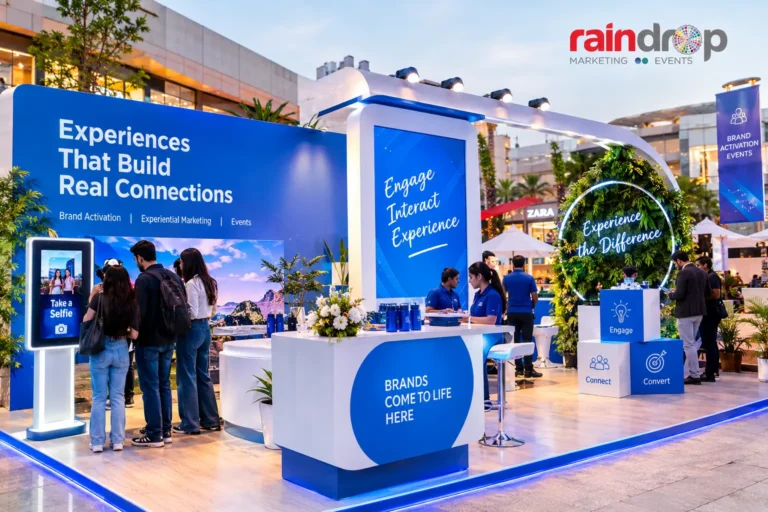
Experiential marketing is a live, immersive strategy where brands create direct, participatory interactions with their audience — moving beyond passive advertising to create lasting emotional connections. In India’s fast-growing events industry, this approach is rapidly becoming the go-to method for brands seeking real consumer engagement, social amplification, and measurable ROI.
What is Experiential Marketing?
At its core, experiential marketing — also called engagement marketing, live marketing, or event marketing — is the practice of creating brand interactions that consumers can physically or emotionally participate in. Rather than telling an audience about a product through a TV ad or banner, you invite them to experience it firsthand.
Think of it as the difference between reading a menu and actually tasting the food. Experiential campaigns make the brand the food — something to taste, touch, remember, and talk about.
In the Indian context, where community celebrations, festivals, and social gatherings are deeply embedded in culture, experiential marketing has extraordinary resonance. A well-executed activation at a local mela, cricket match, or tech expo can generate far more brand recall than months of digital ad spend.
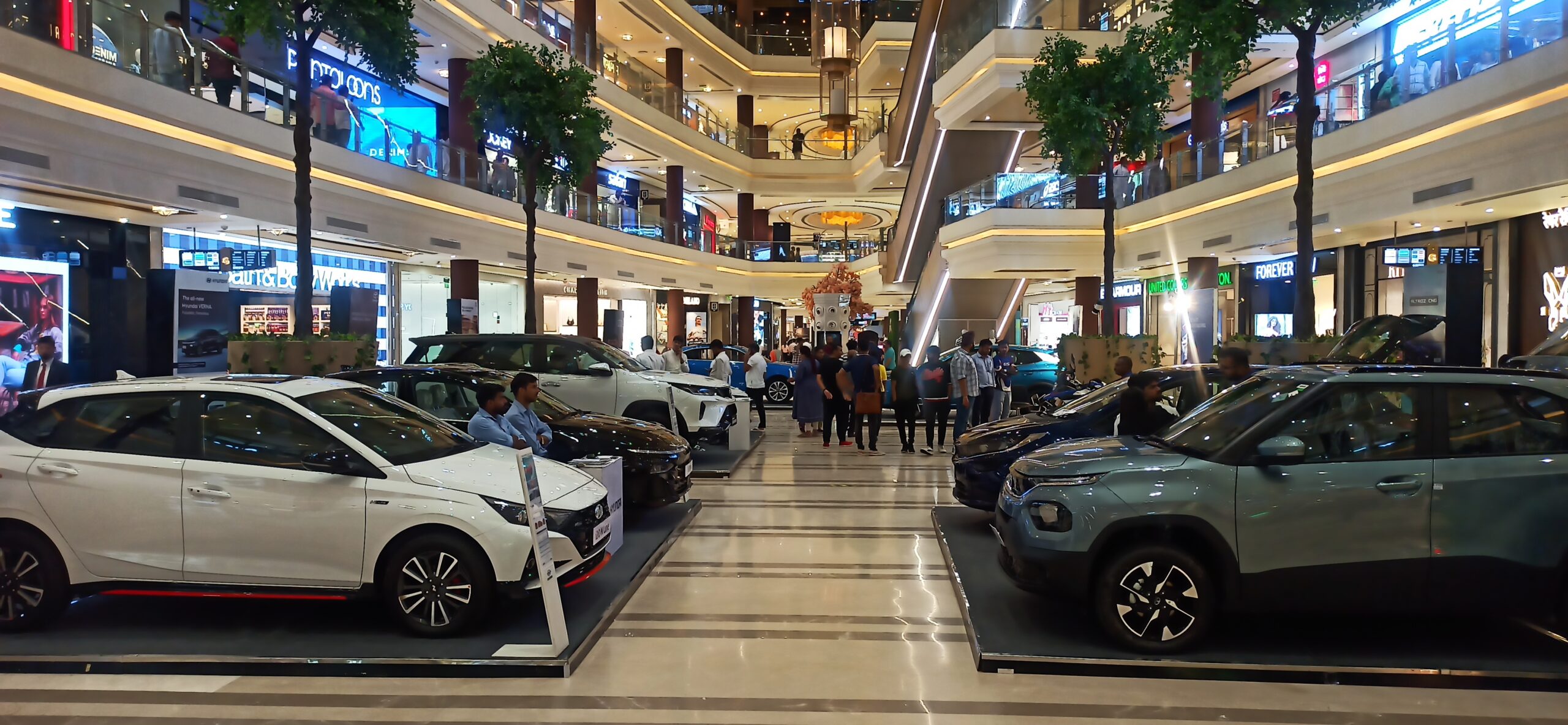
Experiential marketing is not just “events.” It includes pop-up stores, AR/VR demos, brand roadshows, campus activations, sampling campaigns, and even digital-physical hybrid experiences.
Elements of the Best Experiential Marketing Campaigns
The most impactful experiential campaigns share a set of core elements. Here’s what separates a forgettable stall at an expo from a campaign people screenshot, share, and remember years later:
| Element | Why It Matters | Indian Example Context |
|---|---|---|
| Clear Brand Story | Every touchpoint must reinforce what the brand stands for | Tata Tea “Jaago Re” campaigns at railway stations |
| Sensory Engagement | Sight, sound, smell, touch — the more senses engaged, the stronger the memory | Amul’s live dairy farm pop-ups |
| Audience Participation | Passive observation is forgettable; active participation creates ownership | Fevicol’s hands-on DIY workshop tours |
| Social Shareability | Design Instagrammable moments to amplify organic reach | Nykaa’s beauty pop-ups with photo booths |
| Measurable KPIs | Define success metrics upfront — footfall, leads, impressions | FMCG sampling campaigns with CRM data capture |
| Emotional Connection | Stories and emotions drive purchase intent more than features do | Surf Excel’s Holi community campaigns |
Experiential Marketing Examples
Real-world campaigns illustrate how experiential marketing drives measurable results. Here are proven examples — both global and Indian — that demonstrate the strategy in action:
How to Build an Experiential Marketing Campaign in India
Building an effective campaign requires strategic planning long before the first banner is hung. Here’s a framework used by top Indian brand activation agencies:
- Define your objective: Are you driving trial, awareness, leads, or loyalty? Each goal changes the experience format.
- Know your audience: India’s consumer base spans metros, Tier 2 and 3 cities, each with distinct cultural triggers. Localization is non-negotiable.
- Choose the right format: Pop-up, roadshow, festival integration, campus activation, AR experience, or hybrid? Match the format to your audience’s lifestyle.
- Build shareability in: Create a “moment” that people want to photograph and share. A branded selfie frame is often more valuable than a full-page newspaper ad.
- Measure everything: Use QR codes, CRM sign-ups, social listening tools, and post-event surveys to capture ROI data accurately.
- Partner with an experienced agency: Execution quality makes or breaks experiential campaigns. Choose partners with a proven track record in India’s specific market dynamics.
According to the Event & Entertainment Management Association (EEMA), India’s branded experiences sector is growing at 18–20% annually, driven by FMCG, automobile, fintech, and D2C brands investing in physical consumer touchpoints.
Why Experiential Marketing Works Especially Well in India
India presents a uniquely fertile ground for experiential campaigns. Here’s why:
- Cultural affinity for live gatherings: From Diwali to regional festivals, Indians are habituated to participating in shared public experiences — brand activations fit naturally into this cultural fabric.
- Massive social media amplification: With over 600 million internet users (TRAI, 2024), a well-designed live moment can generate millions of organic impressions within hours.
- Young demographic: Over 50% of India’s population is under 30 — a segment that actively seeks and shares authentic brand experiences.
- Trust through interaction: In a market where consumer trust is hard-won, direct product interaction builds credibility faster than any digital ad.
- Tier 2 & 3 city opportunity: Brands that bring experiences to non-metro cities often face far less competition and achieve disproportionate impact.